9 breeds · updated Oct 2026
Best calm, low-energy dog breeds
A calm dog settles easily, enjoys a stroll more than a sprint and is content to snooze while you work or watch a movie. If your household is quiet, you are older, or you simply do not want to run a marathon with your dog every morning, a low-energy breed can be an excellent fit.
This list includes breeds rated 1 or 2 for energy and puts those with the lowest energy and exercise needs first. Calm does not mean care-free, though. Every dog needs daily walks, sniffing time and mental activity, and extra weight is a real health concern, since overweight dogs tend to live shorter lives.
Calm also does not mean small. Some of the mellowest breeds are very large, and some low-energy breeds have short muzzles that make them prone to overheating in warm weather. Check each profile for the full picture before you decide.
-
1
Bulldog
Non-Sporting · Medium · 40–50 lb (18–23 kg)
The Bulldog, or English Bulldog, is a stocky, wrinkled companion that typically weighs 40 to 50 lb (18 to 23 kg). Gentle and dependable, it is low on energy and well suited to calm homes, but its flat face, he…
- Energy level
- Exercise needs
-
2
Chow Chow
Non-Sporting · Medium · 45–70 lb (20–32 kg)
The Chow Chow is a dignified, lion-maned dog from China with a blue-black tongue, typically 17 to 20 in (43 to 51 cm) tall and 45 to 70 lb (20 to 32 kg). It is loyal and aloof, sheds heavily and struggles in h…
- Energy level
- Exercise needs
-
3
French Bulldog
Non-Sporting · Small · 16–28 lb (7–13 kg)
The French Bulldog is a compact, bat-eared companion dog that weighs under 28 lb (13 kg). Frenchies are affectionate, easygoing and well suited to apartments, but their flat faces make breathing, heat and exer…
- Energy level
- Exercise needs
-
4
Mastiff
Working · Giant · 120–230 lb (54–104 kg)
The Mastiff is a calm, dignified giant that typically weighs 120 to 230 lb (54 to 104 kg) and stands at least 27.5 in (70 cm) at the shoulder. Mastiffs are gentle, deeply loyal family dogs, but their size, dro…
- Energy level
- Exercise needs
-
5
Pekingese
Toy · Toy · 7–14 lb (3–6 kg)
The Pekingese is a small, lion-maned companion from the Chinese imperial court that weighs up to 14 lb (6.4 kg). Pekes are loyal, dignified and independent, and they suit calm homes, but the flat face makes th…
- Energy level
- Exercise needs
-
6
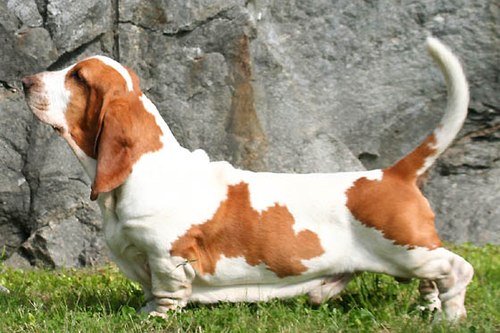
Basset Hound
Hound · Medium · 40–65 lb (18–29 kg)
The Basset Hound is a low-slung, long-eared scent hound with a gentle, easygoing nature and one of the best noses in the dog world. It is friendly with children and other dogs, but it is stubborn to train, pro…
- Energy level
- Exercise needs
-
7
Great Pyrenees
Working · Giant · 85–120 lb (39–54 kg)
The Great Pyrenees is a calm, white livestock guardian standing at least 25 in (64 cm) and weighing roughly 85–120 lb (39–54 kg), bred to protect flocks in the mountains. It is gentle with its family and very…
- Energy level
- Exercise needs
-
8
Newfoundland
Working · Giant · 100–150 lb (45–68 kg)
The Newfoundland is a giant, gentle water-rescue dog with a famously sweet nature. It is patient with children and devoted to its family, but it drools, sheds heavily and needs a cool home with room to spread…
- Energy level
- Exercise needs
-
9
Saint Bernard
Working · Giant · 120–180 lb (54–82 kg)
The Saint Bernard is a giant, gentle working breed from the Swiss Alps, famous for patient, calm companionship. It needs space, firm early training and a tolerance for drool, and its size means a shorter lifes…
- Energy level
- Exercise needs




How we ranked them
Breeds qualify with an energy rating of 1 or 2. We give double weight to a low energy rating and add points for a low exercise rating, so the calmest dogs with the lightest exercise needs rank first. Ratings come from our breed profiles and describe the typical dog of each breed. Every dog is an individual, and age, health and training change how calm a dog is in daily life.
Before you choose
Keep your calm dog moving. Daily walks, gentle play and sniffing games help maintain a healthy weight, and our guide to how to tell if your dog is overweight shows you what to check. Ask your vet to confirm your dog's ideal weight.
Add mental work on top of the walks. Food puzzles, short training sessions and new routes keep a relaxed dog from becoming a bored one.
If you have a flat-faced breed, be extra careful in warm weather. Short-muzzled dogs are at higher risk of heatstroke, so walk early or late in the day, provide shade and fresh water, and read our page on heatstroke. For small spaces, our apartment dog list is another good place to look.
Frequently asked questions
Do calm dogs still need exercise?
Yes. Low-energy dogs need regular walks and activity to stay at a healthy weight and keep their minds busy. The amount is usually lower than for sporting or herding breeds, and your vet can help tailor it, especially for seniors.
Will a calm breed be calm as a puppy?
Puppies and adolescents of nearly any breed are livelier than adults, so expect more energy early on. Breed tendencies show most clearly in adulthood.
Why are some calm breeds risky in hot weather?
Cornell lists short muzzles, older age and excess weight among the risk factors for heatstroke, and some low-energy breeds are flat-faced. Avoid strenuous exercise in hot, humid weather and never leave a dog in a parked car.
Are calm dogs a good choice for seniors or beginners?
A relaxed temperament helps, but also consider size and strength, grooming and health. Compare this list with our first-time owner list and meet adult dogs where you can.
Sources
More breed lists
All lists
37 breeds
Best apartment dogs
Breeds rated for apartment living, ranked by how quiet and calm they are, plus what to weigh up before you br…

44 breeds
Best cold weather dogs
Dog breeds rated 4 or 5 for handling cold, plus winter safety advice, since small, short-coated, young and se…

26 breeds
Best dogs for first-time owners
Beginner-friendly dog breeds, ranked by how forgiving and trainable they are, plus what new owners should pla…