Safety · 6 min read
Halloween Safety Tips for Dogs: Candy, Costumes and Doorbells
Keep your dog safe this Halloween: which candy is dangerous, how to handle trick-or-treaters, costume checks and what to do if your dog eats something.
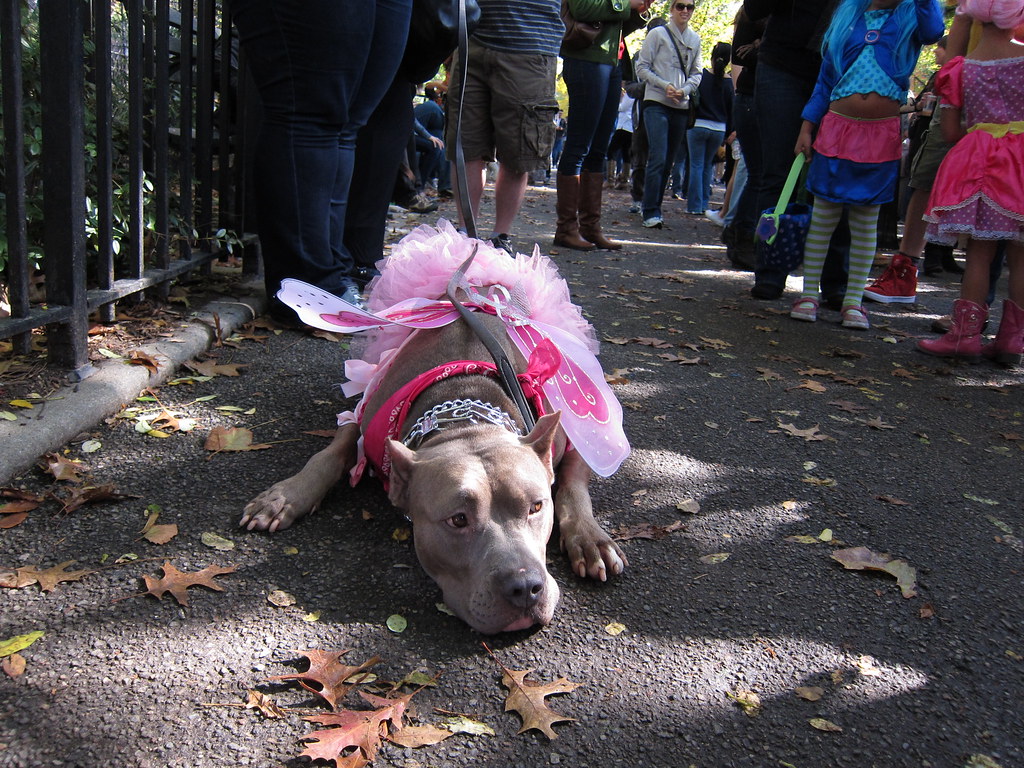
Halloween is mostly a candy, doorbell and costume problem for dogs. Keep sweets out of reach, give your dog a quiet space away from the front door, and only use a costume if your dog genuinely likes it. If your dog does eat something risky, call your vet, an emergency clinic, or a poison line right away instead of waiting for symptoms.
In the US, ASPCA Animal Poison Control is at (888) 426-4435 and Pet Poison Helpline is at (855) 764-7661 (fees may apply). Outside the US, call your local emergency vet.
Candy: what is dangerous and what is just a stomachache

Dogs are good at finding hidden treats, so put trick-or-treat bags and bowls where your dog cannot reach them, including on counters and low tables, and keep children's bags off the floor.
- Chocolate. The concern is theobromine and caffeine, and darker chocolate contains more. Pet Poison Helpline rates dark and baking chocolate as high risk and milk chocolate as moderate risk. Signs of poisoning can include stomach upset, restlessness, a fast heartbeat, irregular heart rhythms, shaking and, in severe cases, seizures. Signs may take hours to appear, so do not wait. High-fat chocolate can also trigger pancreatitis. See can dogs eat chocolate and try the chocolate toxicity calculator.
- Xylitol. This sugar substitute is found in sugar-free candy and gum, and sometimes in sugary candy too, so check ingredient lists. In dogs, it can cause low blood sugar and, with larger amounts, liver damage or failure. Look for "xylitol" or "birch sugar" on labels. Call your vet or a poison line right away, even if your dog seems fine. Read more at can dogs eat xylitol.
- Raisins. The ASPCA warns that grape and raisin exposure can lead to kidney damage in dogs, and Pet Poison Helpline says there is no known safe amount. AAHA notes that even a small snack-size box could be enough to harm a large dog. Watch for them in snack boxes and baked goods, and see can dogs eat raisins.
- Wrappers and sticks. Swallowed wrappers and lollipop sticks can cause a bowel obstruction that may need surgery. If candy is missing, compare what is left with the original count to judge whether wrappers may have been swallowed.
If your dog eats candy, try to collect the packaging and work out how much is missing, and have your dog's weight handy when you call.
Costumes: comfort first
Not every dog enjoys dress-up. Only use a costume if your dog likes it, and try it on well before the night so it is not a surprise.
- It should not restrict vision, movement, breathing or barking.
- Check for small, dangling or chewable pieces that could cause choking.
- Small metal pieces such as beads, snaps and bells can contain zinc or lead, and plastic parts can be a problem too, so check for loose parts.
- Supervise your dog while they wear it, and take it off if they seem distressed.
If you go out after dark, use a reflective collar, a secure leash and proper identification, such as ID tags, in case your dog gets lost.
Doorbells and trick-or-treaters
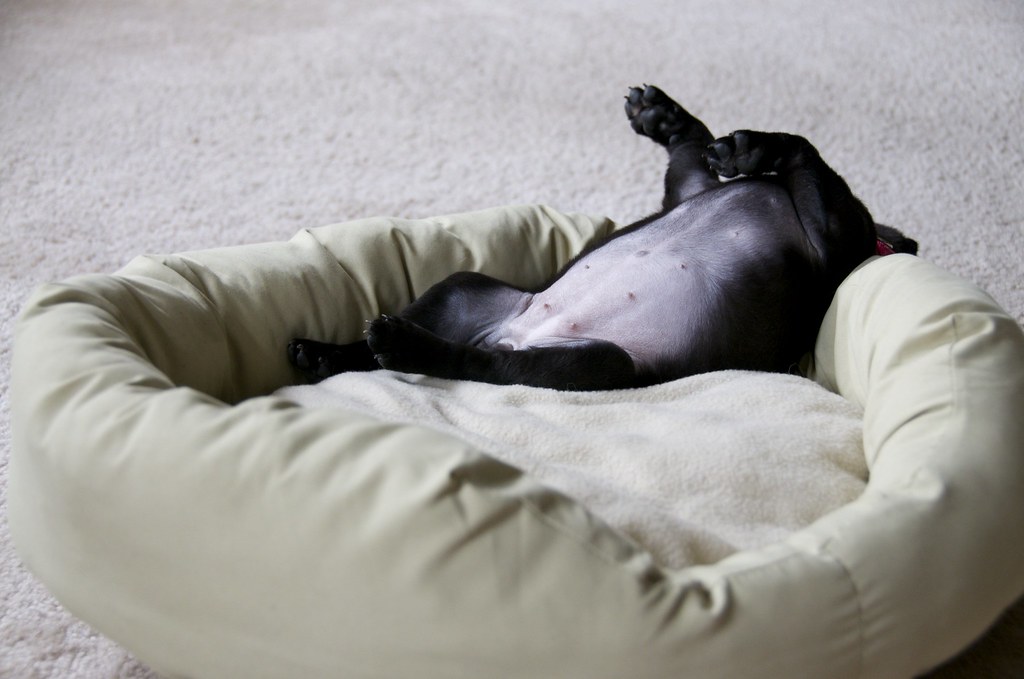
For many dogs, a stream of strangers in costumes, loud knocking and a constantly opening door is stressful and can lead to a dog slipping out the door.
- During peak trick-or-treating hours, keep your dog in a separate, comfortable room away from the front door, with the door shut.
- Offer favorite toys, such as chew toys, food puzzles, interactive toys or a lick mat, to help keep your dog calm and busy.
- If your dog stays near the door, use a baby gate or a leash, and keep the candy bowl out of reach.
- Make sure your dog wears a collar with ID tags in case they slip out.
If you are going trick-or-treating with your dog, think honestly about whether the crowds and noise suit them. Many dogs are happier at home.
Glow sticks, decorations and flames
- Glow sticks and jewelry. Pet Poison Helpline says the liquid inside is not usually life-threatening, but it can cause mouth pain, irritation, heavy drooling and foaming. Call for advice if your dog chews one.
- Candles and jack-o'-lanterns. Pets can knock over a lit jack-o'-lantern and start a fire, so use flameless candles and keep real flames out of reach.
- Batteries in light-up decor. Chewed batteries can cause corrosive burns to the mouth and digestive tract. Call your vet right away if a battery is swallowed.
- Fake cobwebs. Stretchy cobwebs can tangle a pet or cause a blockage if eaten.
- Cords and wires. Keep them out of reach of paws and mouths.
- Moldy pumpkins. Rotting pumpkins and moldy food can contain mycotoxins that cause tremors and seizures. Throw out carved pumpkins before they spoil.
- Dry ice. It can cause burns on contact, so keep it well away from your dog.
What to do if your dog eats something
- Take away whatever is left and keep the packaging.
- Estimate how much was eaten and note your dog's weight.
- Call your vet, an emergency clinic, or a poison line straight away, even if your dog seems fine.
- Follow their advice. Do not make your dog vomit at home unless a professional tells you to.
- Go to an emergency clinic if your dog is collapsing, having seizures or struggling to breathe.
Keep these numbers somewhere easy to find, such as on the fridge, before the evening starts.
A relaxed Halloween comes down to planning. Put the candy away, set up a quiet room, check the costume and keep an eye on the clock. Your dog will be happier for it.
Frequently asked questions
Is chocolate really that dangerous for dogs?
It can be. The darker the chocolate, the greater the risk, and baking chocolate and cocoa powder have the highest concentrations of the compounds involved. The risk also depends on the amount eaten and your dog's size. Use our chocolate toxicity calculator for a rough idea, then call your vet or a poison line for advice.
Are glow sticks poisonous to dogs?
Pet Poison Helpline rates them as a lower danger and says the liquid is not usually life-threatening, but it can cause mouth pain, irritation, heavy drooling and foaming. If your dog bit one, call your vet or a poison line for advice.
Should I dress my dog up?
Only if your dog likes it. Skip costumes that restrict movement, sight, breathing or barking, try the outfit on before the night, and take it off if your dog seems distressed.
Can I make my dog vomit after they eat candy?
Do not try to induce vomiting at home unless a vet or poison line tells you to. Call your vet, an emergency clinic or a poison line first and follow their instructions.
Written from veterinary sources by the Pawsplained editorial team. Not yet reviewed by a veterinarian; this is general information, not a diagnosis or treatment plan. Updated Oct 25, 2026. Editorial policy
Sources
More safety guides

Safety
Christmas Hazards for Dogs: What to Watch For
Tinsel, tree water, poinsettias, chocolate and party guests are the big Christmas risks for dogs. Here is how to spot e…

Safety
Common Household Items That Are Toxic to Dogs
Human medicines, chocolate, xylitol, cleaners, rodent bait, batteries and essential oils are common household dog poiso…

Safety
Dog First Aid Basics Every Owner Should Know
Dog first aid buys time until a vet takes over. Learn how to stay safe, stop bleeding, respond to choking and heatstrok…