Health condition
Ear Infections in Dogs: Signs, Causes and Treatment
Also called Otitis externa, Ear canal infection, Yeast ear infection, Outer ear infection
Most dog ear infections are infections of the outer ear canal, usually bacteria or yeast taking advantage of an underlying problem such as allergies. Head shaking, scratching, redness, discharge or a bad smell mean a vet visit, because the vet has to find the cause and check the eardrum; never drop home remedies or old medicine into the ear.

Go to a vet now if…
- A very painful ear, with crying out or not letting you touch it
- A swollen, puffy ear flap, which can be a painful blood-filled swelling that needs treatment
- Stumbling, loss of balance or other signs the infection may have spread deeper
- Hearing changes or facial nerve problems
- Head shaking or scratching so intense that the ear or skin is raw or bleeding
- Black or yellowish discharge with a strong smell
- An infection that returns soon after treatment finishes
Call ahead so the clinic can prepare. Suspected poisoning in the US: ASPCA (888) 426-4435 · Pet Poison Helpline (855) 764-7661.
What it is
Otitis externa is inflammation of the lining of the outer ear canal, and it is the most common type of ear infection in dogs. A dog's canal is L-shaped, so fluid, wax and debris get trapped easily, giving bacteria and yeast a warm place to grow.
The infection itself is often the last link in a chain. The Merck Veterinary Manual stresses finding every possible cause, because unless all of them are treated the problem often comes back. Common underlying reasons include allergies, mites, a foreign object or a hormonal problem.
Typical signs are head shaking, scratching or rubbing the ear, redness, swelling, a bad smell and dark or yellowish discharge. One or both ears can be affected. Untreated infections can cause a painful blood-filled swelling of the ear flap, and deeper infections can damage the eardrum and spread to the middle or inner ear, which can lead to balance trouble or hearing loss.
Causes and risk factors
| Cause | What it means |
|---|---|
| Allergies | Food or environmental allergies are a common underlying cause; VCA says allergies are involved in up to 43 percent of cases. |
| Trapped moisture | Water left in the canal after swimming or baths helps bacteria and yeast grow. |
| Ear mites | More common in puppies, and they often lead to a secondary infection. |
| Foreign objects, polyps or tumors | These need to be found and dealt with, since medication alone will not fix them. |
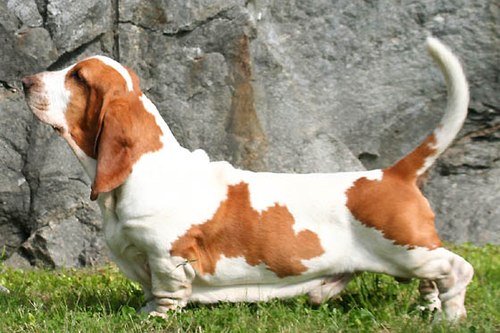
| Ear shape and hair | Floppy ears, narrow canals and heavy ear hair make infections more likely, but any dog can be affected. |
| Hormonal disease | Underactive thyroid and similar conditions can cause repeat infections. |
| Wax buildup or over-cleaning | Too much wax is a problem, and so is cleaning too often, which can strip protective oils. |
| Middle ear involvement | Infection can extend beyond the canal and can also be the reason an ear keeps flaring up. |
What you can do at home
Do not treat a suspected infection at home. Over-the-counter drops, vinegar, powders and old leftover medicines can irritate the ear and, if the eardrum is damaged, can harm hearing. Merck specifically warns against vinegar mixtures, which can worsen swelling, and against powders after hair plucking, which can form irritating clumps. Your vet has to identify the exact cause before choosing a treatment.
Do not push cotton swabs into the canal, which can pack debris deeper, and avoid paper towels, which can leave fibers behind. Merck suggests real cotton balls and the AKC prefers absorbent gauze, so use what your vet recommends. Ask your vet before trimming or plucking hair near the canal.
Once your dog has been diagnosed, give the full course of medicine exactly as directed, without gaps or early stops, and keep every recheck appointment. If your vet recommends a cleaner, the AKC describes filling the canal with the solution, massaging the base of the ear from outside and then wiping away debris with gauze.
Do not over-clean, since that can strip the ear's natural protection. Dry the ears thoroughly after baths and swimming. See a vet if the ear looks worse, your dog seems painful or the smell returns.
What happens at the vet
The vet will look into the canal with an otoscope to check for foreign objects, mites, growths and, importantly, the eardrum. They will also take a sample of the discharge and look at it under a microscope to see whether bacteria, yeast or mites are involved. Chronic or severe cases may need a culture, and a very painful or blocked ear may need sedation or anesthesia for a proper look.
Treatment usually starts with cleaning and drying the ear, since wax and discharge can deactivate medication. Most ear drops combine an antibiotic, an antifungal and an anti-inflammatory. Severe cases may also need oral medicine. If the eardrum has ruptured, some drugs are unsafe because they can cause hearing loss, which is why the exam comes first.
The AKC says uncomplicated infections often clear within one to two weeks, while severe cases or ones with an underlying cause can take months. Ongoing allergies or thyroid problems need treatment too. When chronic inflammation narrows the canal permanently, surgery may be recommended. VCA notes that nearly all diagnosed and treated infections can be managed successfully, though the outlook is less favorable if an underlying cause goes unfound.
Prevention
Ear checks should become a habit. Regularly look and sniff for redness, swelling, moisture, discharge or a changed smell, and call your vet if anything looks off.
Dry the ears after every bath and swim. Clean only when it is needed, using a cleaner your vet approves and gauze or real cotton balls rather than swabs. Over-cleaning can cause problems of its own.
For floppy-eared or hairy-eared dogs, the AKC suggests keeping the hair near the canal opening neat, but Merck advises checking with your vet before trimming or plucking hair near the canal, so ask first.
Manage underlying problems. If allergies are involved, treating them often calms the ears, and our page on allergies in dogs explains what vets look for. Keep up with parasite control, which helps prevent ear mites.
If a food allergy is suspected, the AKC says an elimination diet typically lasts 8 to 12 weeks and must be strict, so run it with your vet rather than switching foods yourself. A dog with frequent head shaking should see a vet rather than get a new cleaner, as a recurring problem usually has a cause that needs treatment.
Frequently asked questions
How do I know if my dog has an ear infection?
Common signs are head shaking, scratching or rubbing at the ear, redness, swelling, a bad smell and dark or yellowish discharge. If your dog keeps shaking their head, see head shaking in dogs and book a vet exam.
Can I clean my dog's ears at home?
You can clean healthy ears with a vet-approved solution, using gauze or real cotton balls rather than swabs and not too often. If the ear looks red, painful or smelly, let the vet check it first, since cleaning at the wrong time can make things worse.
Will a dog ear infection go away on its own?
Not safely. Untreated infections can cause a painful swollen ear flap, damage the eardrum and spread deeper, with a risk of lasting hearing loss. A vet needs to identify the cause and choose the right treatment.
Why does my dog keep getting ear infections?
Repeat infections usually have an underlying cause, often allergies, but also mites, foreign objects, hormonal disease or the shape of the ear. Treating the infection without finding the cause tends to lead to recurrence.
How long do dog ear infections take to heal?
The AKC says uncomplicated infections often clear in 1 to 2 weeks, while severe cases or those with an underlying cause can take months. Finish the whole course and attend rechecks, since stopping early can allow the infection to return.
Written from veterinary sources by the Pawsplained editorial team. Not yet reviewed by a veterinarian; this is general information, not a diagnosis or treatment plan. Updated Oct 30, 2026. Editorial policy
Sources
Breeds more prone to ear infections



Related topics

Symptom
Head Shaking
Repeated head shaking almost always means something is bothering an ear, most often an infection, allergies, mites or a…

Symptom
Itching
Occasional scratching is normal, but frequent scratching, licking or chewing means something is bothering your dog's sk…

Condition
Allergies
Dog allergies are an immune overreaction to things like flea saliva, pollen, dust mites or certain food proteins, and t…

Condition
Hypothyroidism
Hypothyroidism means the thyroid gland makes too little hormone, slowing the body's metabolism. Typical signs in middle…